
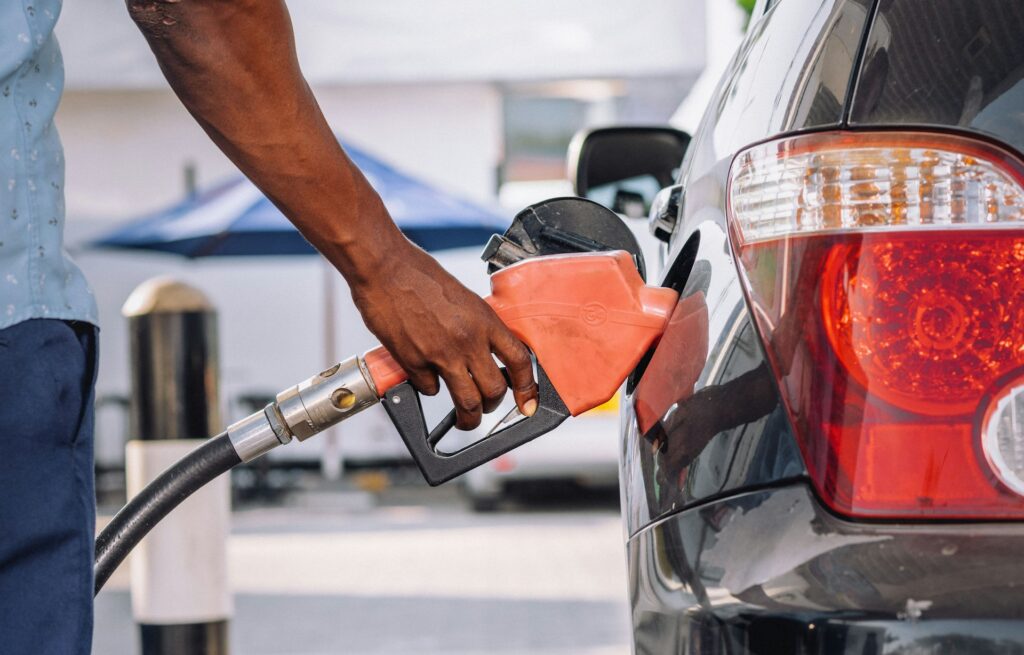
Petrol prices in South Africa are regulated by the government, which sets the amount motorists pay at filling stations. The petrol price in South Africa includes the cost of fuel on international markets, local transport costs, taxes and allowances for fuel businesses. These parts explain why the price can change even when a service station has not changed how it operates.
What is the basic fuel price?
The Basic Fuel Price (BFP) is the starting point for calculating the pump price. It reflects the estimated cost of importing refined petrol into South Africa, using prices from international fuel markets. The calculation also includes shipping, insurance and other costs of bringing the fuel to the country.
International fuel prices are quoted in US dollars, so the rand-dollar exchange rate affects the calculation. If the rand weakens, the same quantity of petrol costs more in rand terms. If the rand strengthens, that cost can fall, although changes in international fuel prices may cancel out the benefit.
The BFP is a pricing benchmark, even when fuel sold locally has been refined in South Africa. It is calculated separately from the taxes, levies and local costs added to the final pump price.
What is the general fuel levy?
The general fuel levy is a government tax included in the price of each litre of petrol. Revenue from this levy contributes to general government funds, which pay for services and other spending. The money is not reserved specifically for roads or petrol-related projects.
The levy is usually reviewed as part of the national Budget, with changes generally taking effect in April. A higher levy adds to the pump price, while a reduction can lower it if other parts of the price remain unchanged.
What is the Road Accident Fund levy?
The Road Accident Fund (RAF) levy is another charge included in petrol prices. It helps fund compensation for people injured in qualifying road accidents and for certain dependants of people killed in those accidents. Motorists pay the levy through fuel purchases regardless of whether they have been involved in an accident.
The RAF levy is set by government and does not rise or fall automatically with international oil prices. Other charges include the carbon fuel levy, transport costs and regulated margins for wholesalers and petrol retailers.
Why the petrol price in South Africa changes on the first Wednesday
South Africa normally adjusts regulated petrol prices on the first Wednesday of each month. The Central Energy Fund (CEF) monitors international fuel prices and the exchange rate during a monthly review period. It calculates whether the basic fuel price has moved above or below the level built into the existing pump price.
The Department of Mineral and Petroleum Resources announces the adjustment before it takes effect. A rise in the international fuel cost can therefore take several weeks to appear at filling stations, and a fall can take time to reach motorists too.
Pump prices also differ between areas because transporting fuel inland costs more than supplying some coastal areas. To calculate a monthly fuel bill, motorists can multiply the price per litre by the number of litres they expect to buy.